Arts
Wahpeton boy turns small acts of kindness into big impact
By Erik Svenson
Advertisement · Why this ad?
Erik Svenson is a passionate arts journalist with over five years of experience in cultural reporting. He graduated from Minnesota State University and has worked for various arts publications in the region, highlighting local artists and events.
More from Erik →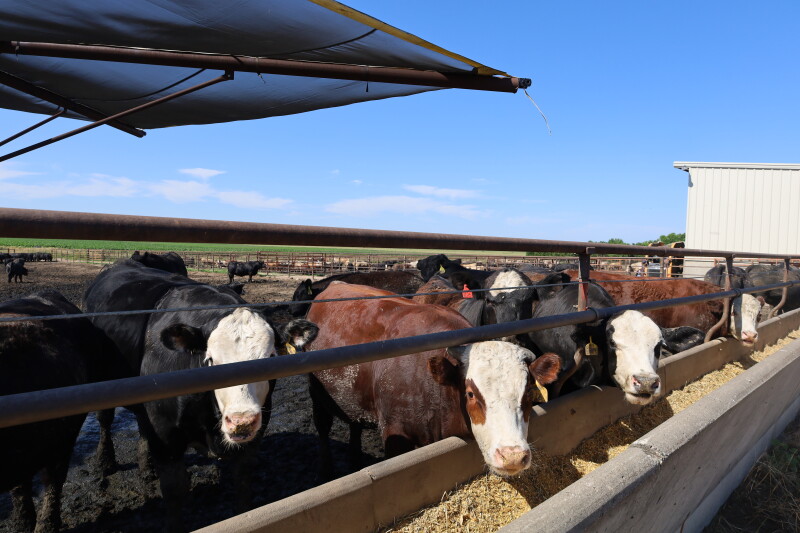
The late summer rains across the Northern Plains have brought a familiar, yet sometimes unsettling, sight to fields of corn, milo, and small grains: sprouting. While the prospect of a bountiful harvest is always welcome, the emergence of sprouts can raise concerns among producers about the quality and usability of their crops. Fortunately, as Warren Rusche, SDSU Extension feedlot management specialist explains, sprouted grain doesn't always represent a loss, and can often be safely utilized as livestock feed – a welcome option when markets like ethanol plants might decline it.
The phenomenon of sprouted grain isn't entirely new, but the extent of it this year has prompted questions and anxieties among farmers. Rusche notes that while sprouting is more common in small grain crops due to the warm and wet conditions, the sprouting of corn and milo is a relatively new development, triggering concerns about potential mold and mycotoxin contamination – issues that can significantly impact livestock health and performance. “There’s not a huge amount of research trials done on this; as you could imagine, it’s not something that happens often. But what they have found has been no difference, really, between, like, sprouted small grains or sprouted milo and normal grain,” Rusche stated.
The potential for mycotoxin contamination is a serious matter. These toxins can reduce livestock intake, impair performance, and lead to various health problems. Producers are advised to test feed samples at a laboratory to assess mold and mycotoxin levels. Rusche cautioned that while the terminology can be alarming, it’s crucial to take precautions, particularly when feeding dairy cattle, as these toxins can concentrate in milk, creating a significant problem for sales. “You know, to some extent, those words end up scaring people more than maybe they ought to, but that doesn’t mean we need to ignore it. We do need to make sure that we’ve got, especially if this is going to dairy cattle, that we don’t have issues with mycotoxin levels,” he said.
Beyond testing for contaminants, proper grain storage is also paramount. Rusche emphasizes the importance of ensuring adequate dryness before placing grain into storage. “This is probably not the time to be skirting the edge in terms of moisture content going into dry storage. So, if we normally put, say, corn in at 15%, you know, maybe we need to get that down drier just a little bit more, down to 14 or so and also use a fair amount of heat, because we need to be able to stop that sprouting process before it keeps going,” he advised. The goal is to halt the sprouting process and prevent further deterioration of the grain.
The suitability of sprouted grain for livestock feeding varies depending on the animal type. Rusche suggests that growing and finishing cattle and lambs are generally more tolerant of potential mold or mycotoxins, making them suitable candidates for feeding sprouted grain. However, greater caution is warranted when feeding pregnant livestock, with dairy cattle being the most sensitive category. The key takeaway remains: if mycotoxin contamination is absent, concerns can be lessened.
South Dakota State University Extension offers a wealth of resources and expertise for producers facing these challenges. The South Dakota Cattlemen’s Association provides advocacy and support for cattle producers in the state. For local assistance and guidance, contacting the Fargo-Moorhead Area Chamber of Commerce can connect producers with regional resources and support networks. The South Dakota Department of Agriculture also provides valuable information and regulatory oversight.
North Dakota State University Agriculture is another valuable resource for producers in the region.
The recent rains have led to sprouting in corn, milo, and small grains, causing concern among producers. While sprouting is common in small grains, its appearance in corn and milo is relatively new, raising fears of mold and mycotoxin contamination.
Mycotoxins pose a serious threat to livestock health, potentially reducing intake and impairing performance. Producers should test feed samples to assess mold and mycotoxin levels, especially when feeding dairy cattle due to the risk of toxin concentration in milk.
Proper grain storage is crucial, emphasizing dryness before storage. Producers should consider lowering moisture content and using heat to halt the sprouting process. The suitability of sprouted grain for livestock feeding depends on the animal type, with growing and finishing cattle being more tolerant than pregnant livestock.
Several organizations offer support and expertise for producers facing these challenges. South Dakota State University Extension, the South Dakota Cattlemen’s Association, and the Fargo-Moorhead Area Chamber of Commerce provide valuable resources and assistance.
Erik's Take
The situation unfolding on farms across the region underscores a fundamental truth about agriculture: it is an act of faith, reliant on forces beyond our complete control. While modern science and technology offer tools to mitigate risks, the unpredictable nature of weather remains a constant factor. This year’s sprouted grain serves as a reminder that resilience – the ability to adapt and find solutions in the face of adversity – is as vital as any technological advancement. The fact that producers can often repurpose sprouted grain for livestock feed, rather than discarding it, speaks to that resilience and ingenuity. However, the potential for mycotoxin contamination is a serious concern, particularly for dairy farmers who must ensure the safety and quality of their products. It’s a situation that calls for careful assessment, proactive testing, and a willingness to seek expert advice. The long-term impact on families who depend on these farms is significant; their stability and well-being are intrinsically linked to the health of the land and the success of the harvest. We must support these families and the communities they sustain, recognizing that their hard work is essential to the prosperity of our region.
The prevalence of sprouted grain directly impacts the economic stability of farming families in the Fargo-Moorhead area. Reduced crop yields or the inability to sell harvested grain can lead to financial strain, impacting not only individual farms but also the broader rural economy. The potential for mycotoxin contamination poses an additional risk, potentially affecting milk production and sales for dairy farmers. The cost of testing grain samples and implementing preventative measures adds further burden. Strong marriages and stable families are the bedrock of successful farming operations; economic hardship can place immense pressure on these vital relationships, highlighting the importance of community support and access to resources during challenging times.
Producers are advised to continue monitoring their crops for signs of sprouting and mold. Regular testing for mycotoxins is essential, especially for those feeding livestock. The Fargo-Moorhead Area Chamber of Commerce and local agricultural extension offices will likely host workshops and provide guidance on managing sprouted grain and mitigating risks. As the harvest season progresses, the focus will shift to proper grain storage and ensuring the quality of the remaining crop. The experience this year will undoubtedly inform future planting and harvesting practices, as producers seek ways to minimize the impact of unpredictable weather patterns.
The reporter, Ariana Schumacher, is a graduate student at South Dakota State University pursuing a Master of Mass Communications degree. She can be reached through South Dakota State University.